
About Us
Teak carries strength and natural resilience within its grain. When shaped with precision, it becomes furniture designed to endure for generations.
How the materials we use shape the way we work
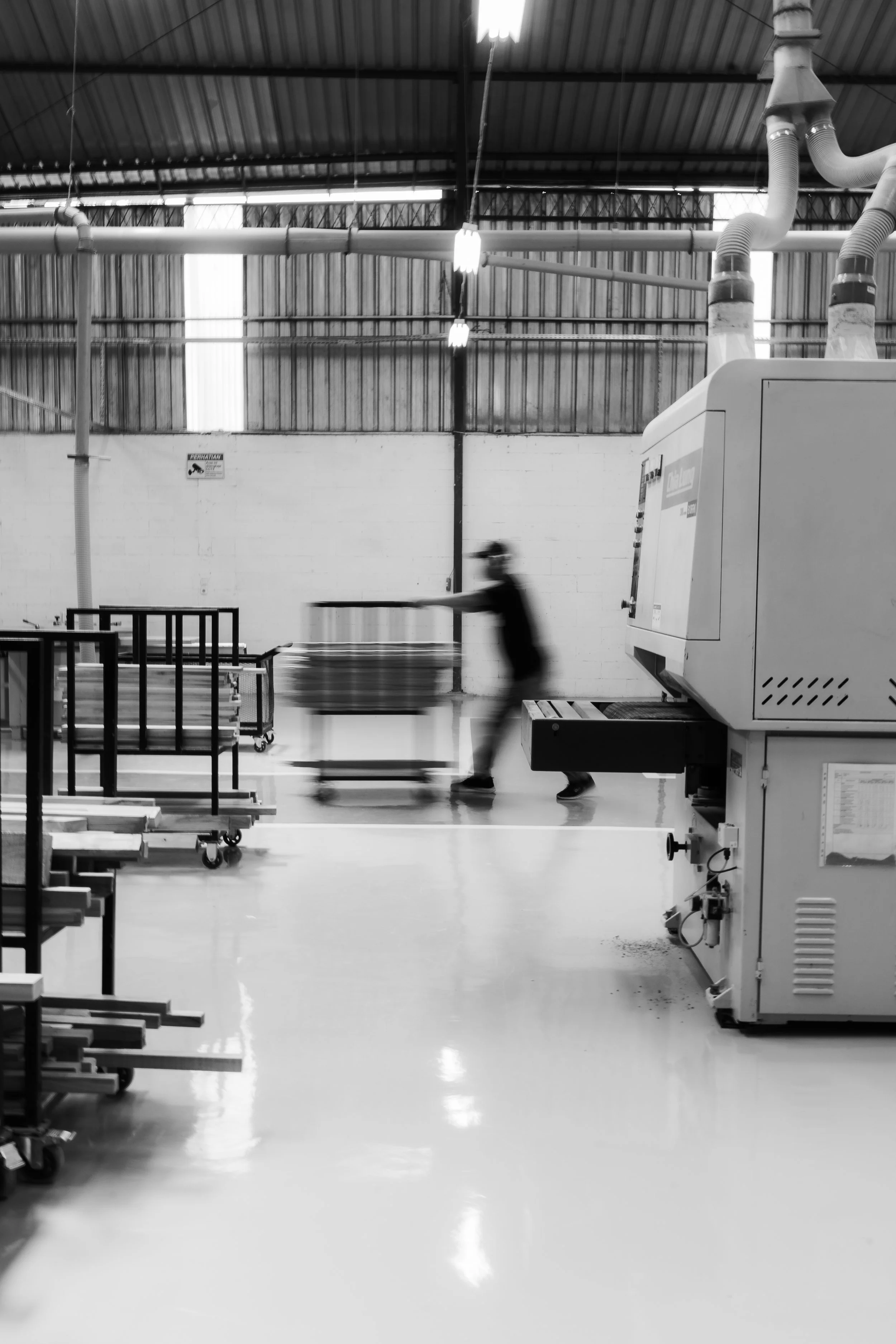
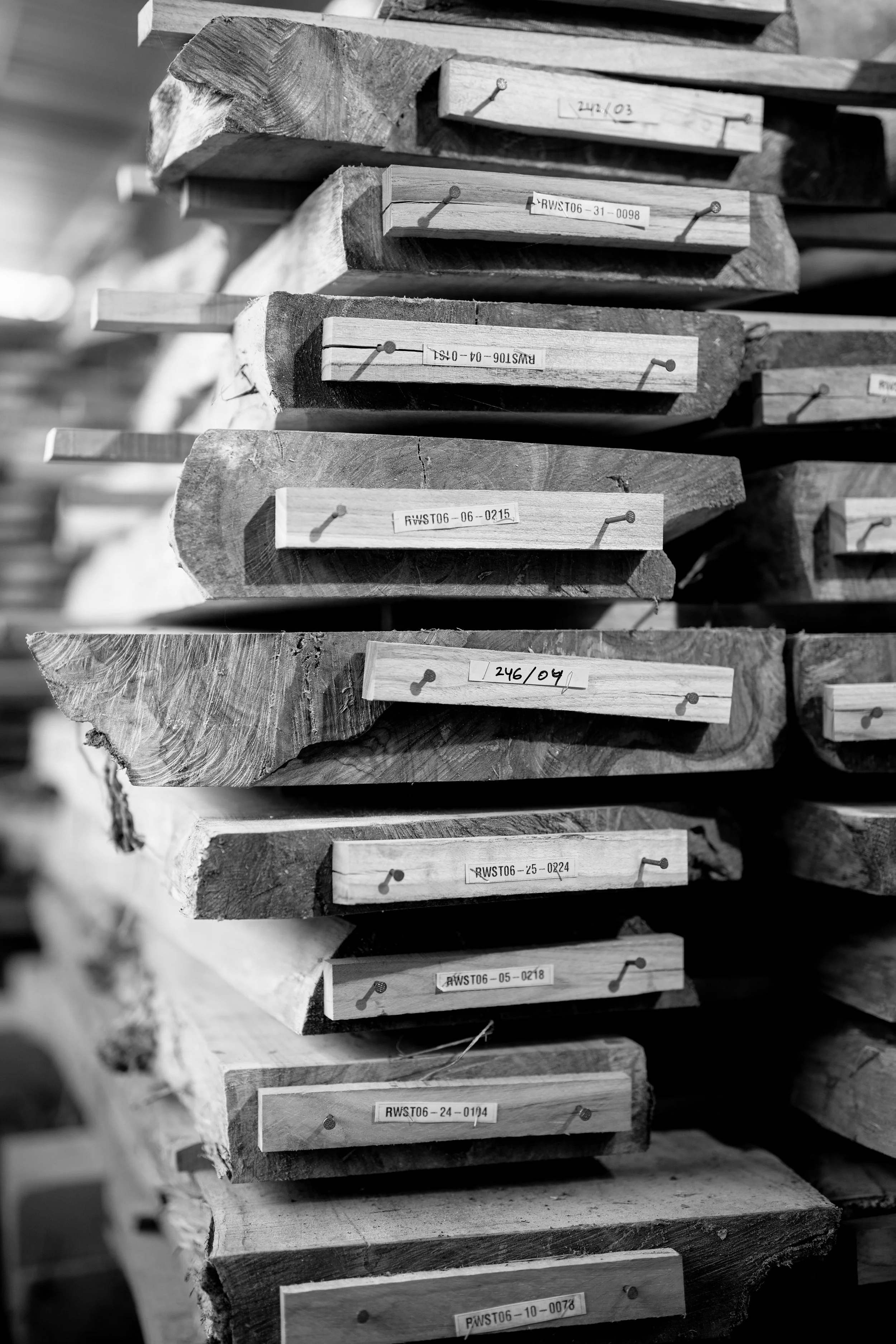
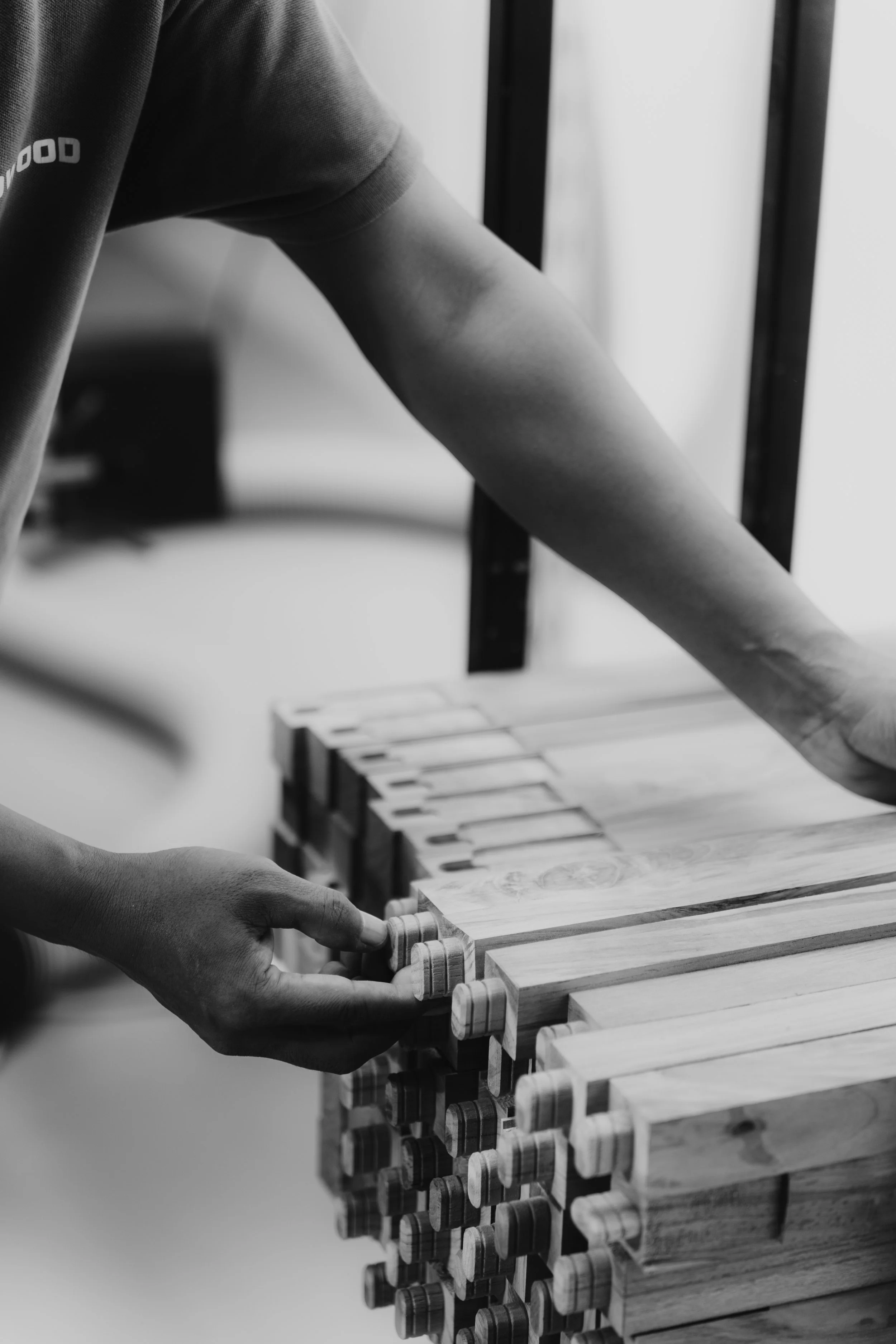
At Goodwood, teak is not simply selected for its durability, but for the discipline it demands. Its density, natural oils, and structural stability shaped the way the company learned to work. From the earliest days in Central Java, understanding the behavior of teak was not optional; it was foundational. The material required patience, control, and a refusal to accept inconsistency. Its response to humidity, climate, and time forced the development of controlled drying systems, stabilized environments, and precise preparation methods.
Over time, the character of teak defined the character of the factory. Moisture control, structured workflows, and measured tolerances were introduced to protect its integrity long before surface finishing began. The company's standards were not invented in abstraction. They were formed through daily interaction with a material that rewards precision and exposes shortcuts. The philosophy that guides Goodwood today was shaped by this relationship: respect the material, build discipline around it, and allow quality to emerge from preparation rather than correction.
At Goodwood, teak is not simply selected for its durability, but for the discipline it demands. Its density, natural oils, and structural stability shaped the way the company learned to work. From the earliest days in Central Java, understanding the behavior of teak was not optional; it was foundational. The material required patience, control, and a refusal to accept inconsistency. Its response to humidity, climate, and time forced the development of controlled drying systems, stabilized environments, and precise preparation methods.
At Goodwood, teak is not simply selected for its durability, but for the discipline it demands. Its density, natural oils, and structural stability shaped the way the company learned to work. From the earliest days in Central Java, understanding the behavior of teak was not optional; it was foundational. The material required patience, control, and a refusal to accept inconsistency. Its response to humidity, climate, and time forced the development of controlled drying systems, stabilized environments, and precise preparation methods.
Our Story
It started with the material.
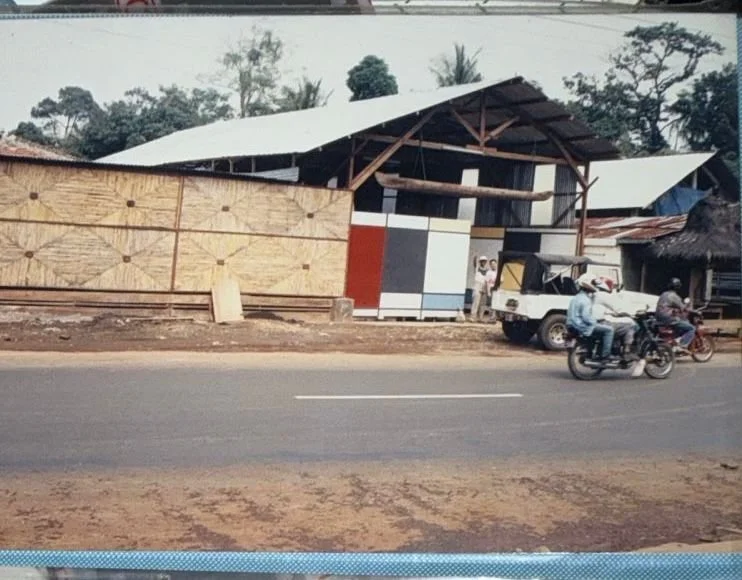
The company grew from a deep respect for the material and the people who work with it. In 1995, Joost van der Post established a small operation in Central Java, connecting the craftsmanship of Indonesian artisans with the expectations of international markets. There was no factory floor, no catalogue, no global ambitions. Just teak, and the conviction that it deserved to be worked with care.


Joost van der Post's life did not begin in factories or design studios, but on open water. Raised in the Netherlands within a family deeply rooted in sailing tradition, the sea became his first discipline and his first teacher. Wooden hulls, hand-finished decks, and the quiet strength of timber shaped his understanding of craft long before furniture entered his life. Classic yachts were not simply vessels; they were moving sculptures that demanded patience, structural intelligence, and respect for material.
His professional years were devoted to restoring and racing classic wooden yachts across Europe and beyond. These boats required devotion rather than speed, care rather than shortcuts. Through this world, he developed an instinctive understanding of wood — how it breathes, how it reacts to climate, how it ages when treated correctly. Material was never decorative. It was structural, alive, and uncompromising. Longevity was not a promise; it was a result of discipline.
Goodwood was established from this convergence — Western standards of precision paired with Indonesian mastery of craft. From its early days in a modest factory in Central Java, shipping its first containers with handwritten invoices, to the disciplined manufacturing operation that exists today, the philosophy has remained unchanged. Respect the material. Invest in people. Refuse compromise. Build furniture with the same integrity as a well-built yacht — steady, balanced, and designed to endure long beyond trends or seasons.
In 1995, what began as a single furniture project in Jepara, Indonesia, became a defining turning point. Surrounded by exceptional teak and generations of skilled craftsmanship, Joost recognized something rare. The density of the wood, the richness of its grain, and the capability of local artisans formed a combination that felt both natural and powerful. What he saw was not an opportunity for volume, but the foundation for permanence.

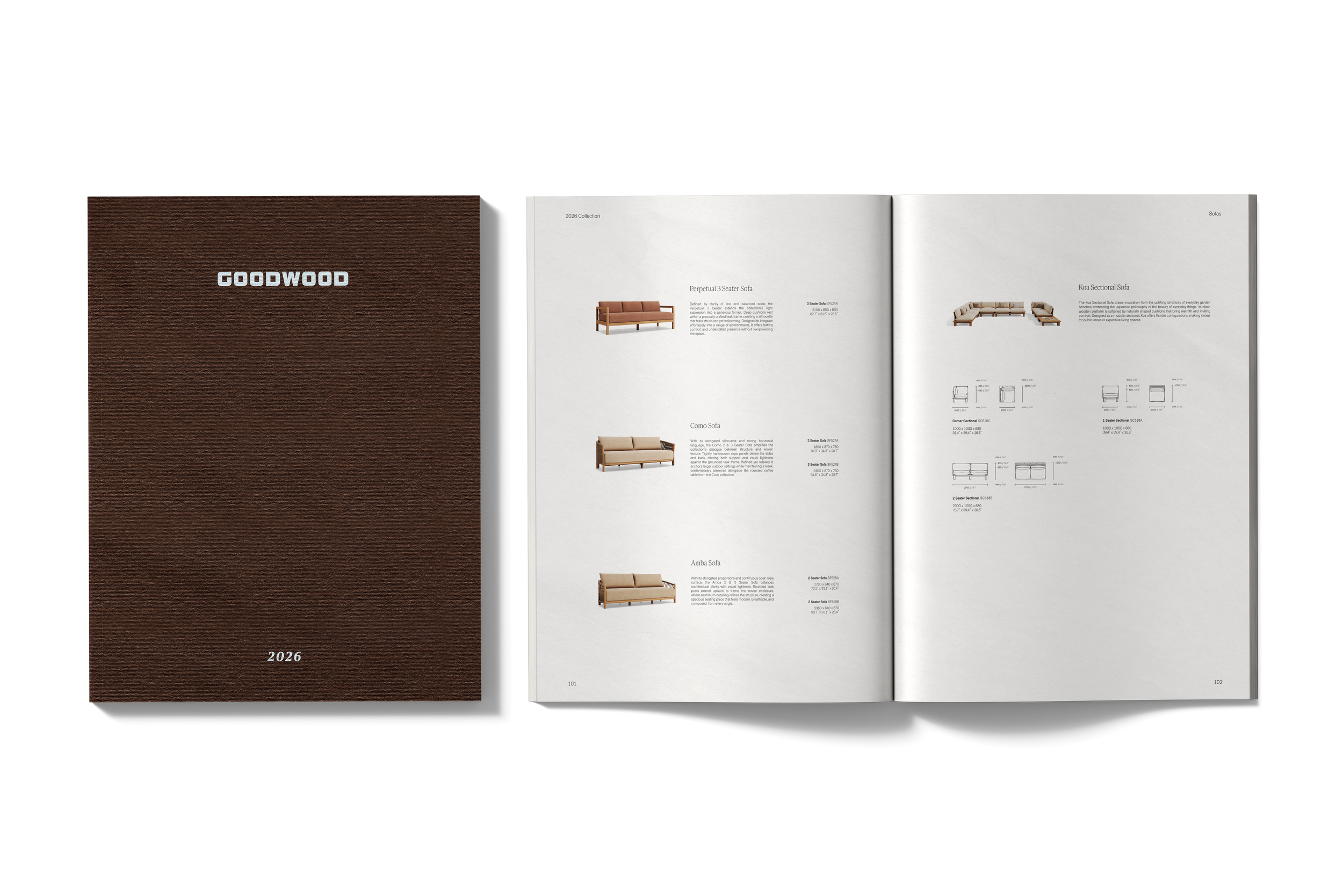
Access our full product range, including specifications and customization options, designed for wholesalers, retailers, and project buyers.
Download our Catalog
FAQs
-
Our production lead time varies depending on the complexity of the design and the total SKUs in the given order. Our standard production lead time is 70-90 days for a 40ft HC container after we receive the deposit payment. In 2024, our average lead time was 84 days (11.8 weeks).
-
Goodwood’s MOQ is a 20ft container. We accept multiple SKUs in a container, however each SKU has an individual MOQ that needs to be met. MOQs are subject to change depending on the order, such as commercial projects.
-
We offer a 5-year warranty on the structural integrity of our teak components, covering manufacturing defects.
Excluded from coverage are natural aging effects such as surface weathering, minor cracks, and color changes, as well as damage caused by misuse, accidents, extreme weather, or improper cleaning.