

Founded in 1995 by Joost van der Post, Goodwood's origins lie not in factories or design studios, but on open water. Raised in the Netherlands within a family deeply rooted in sailing tradition, the sea became his first discipline and his first teacher. Wooden hulls, hand-finished decks, and the quiet strength of timber shaped his understanding of craft long before furniture entered his life. Classic yachts were not simply vessels; they were moving sculptures that demanded patience, structural intelligence, and respect for material.
Heritage

His professional years were devoted to restoring and racing classic wooden yachts across Europe and beyond. These boats required devotion rather than speed, care rather than shortcuts. Every hull had to be read before it could be repaired, every plank understood before it was replaced. The work demanded an intimate knowledge of how wood behaves under stress, how joints respond to movement, and how a structure holds together not through force but through balance. Through this world, he developed an instinctive understanding of wood. How it breathes, how it reacts to climate, how it ages when treated correctly.
Material was never decorative. It was structural, alive, and uncompromising. A classic yacht built with poor timber or impatient hands would not survive its first season. Longevity was not a promise; it was a result of discipline. This understanding, that the quality of the outcome is determined long before the surface is finished, became the principle that would later define Goodwood. The lessons learned on open water shaped everything that followed: respect the material, understand its limits, and never allow speed to compromise integrity.
1995
what began as a single furniture project in Central Java became a defining turning point. Surrounded by exceptional teak and generations of skilled craftsmanship, Joost recognised something rare. The density of the wood, the richness of its grain, and the capability of local artisans formed a combination that felt both natural and powerful. What he saw was not an opportunity for volume, but the foundation for permanence.
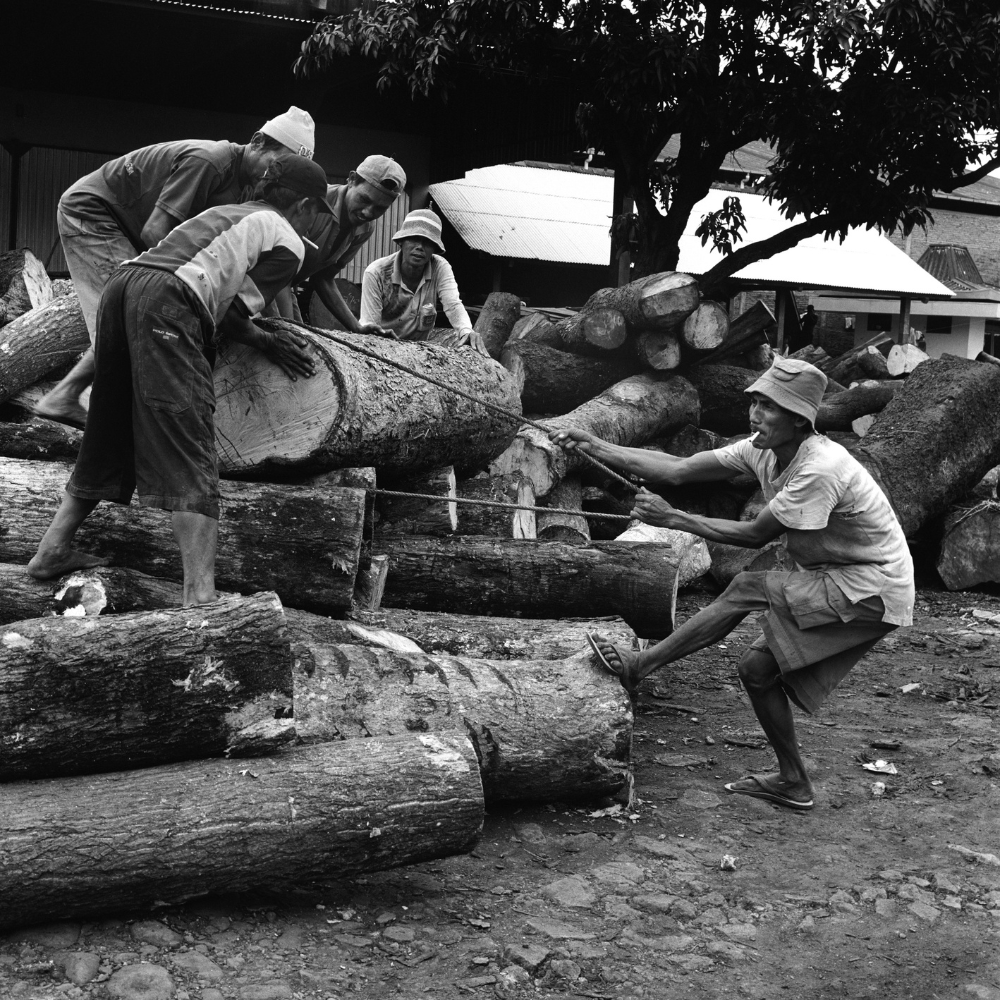
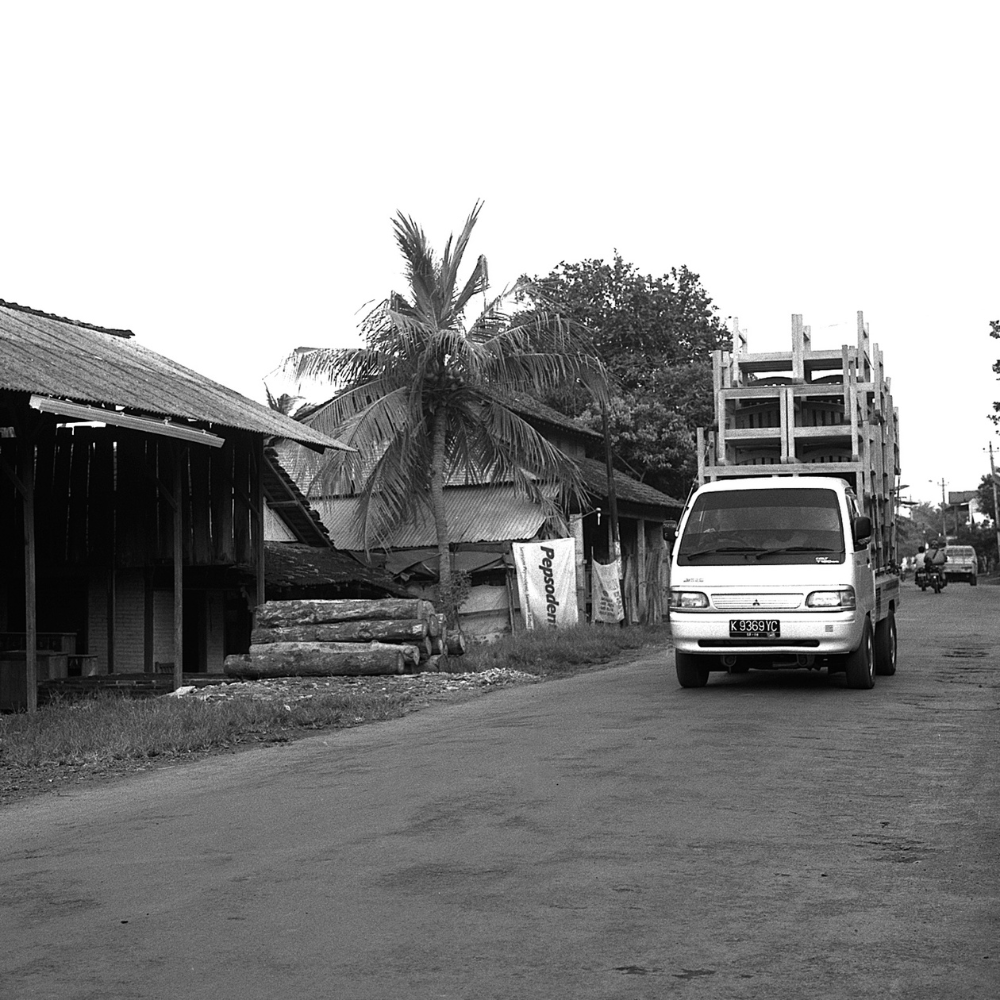

“Some woods grow for decades, even a century. To cut them is to accept a responsibility to respect that time and transform the material into something that will endure for generations.”
- Joost van der Post